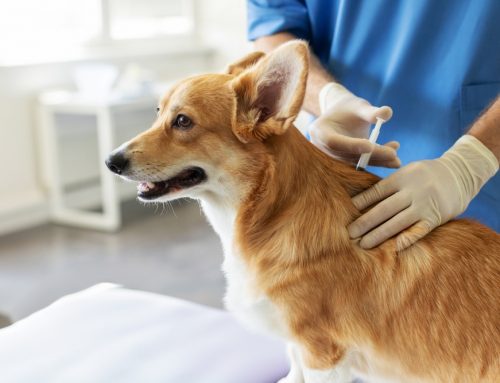

Vaccine boosters matter because the protection built by your pet's first round of shots does not last forever. That first series trains the immune system to recognize specific viruses and bacteria, and boosters reinforce that memory as it fades over months and years. The diseases waiting on the other side of a lapse are the serious ones: rabies, parvovirus, distemper, panleukopenia, leptospirosis, and more. Booster intervals are not arbitrary, either. They come from research on how long each vaccine actually protects, adjusted for your pet's age, health, and real risk, and indoor cats are included, since exposure can arrive through an open window, an escaped housemate, or a boarding stay.
Arcata Animal Hospital is AAHA accredited, and we build each dog's and cat's vaccine schedule around age, health, and daily life instead of running everyone through the same list. Our preventive care visits cover the puppy and kitten series, the core canine and feline vaccines, lifestyle based vaccines, and the exam and lab work that show us how your pet is holding up between boosters. Our team is happy to have a conversation about what diseases we're preventing and why they matter for your pet. If you are not sure what your pet needs next, reach out to us and we will check the record and get the visit on the books.
Booster Timing, Briefly
- The first series builds immunity from scratch, and boosters keep that protection from fading as antibody levels drop over months and years.
- Core vaccines guard against diseases that are often fatal, and rabies is dangerous to people as well as pets.
- Lifestyle vaccines get added based on where your pet goes and who they spend time with, not across the board.
- Vaccines against bacteria like leptospirosis and Bordetella fade faster than viral vaccines, which is why some boosters come yearly and others stretch to every three years.
How Do Vaccines Work, and Why Doesn't One Round Last Forever?
Vaccines show the immune system a harmless preview of a virus or bacterium so it can build antibodies in advance. Immunity from vaccinations isn't permanent, antibody levels drift downward over months to years, and a booster reintroduces the same target so the immune system rebuilds its defenses before a real exposure ever happens.
The first series and the boosters that follow are doing two different jobs. A starter series is teaching a new immune system that has never met these pathogens, which is why one dose isn't enough. A booster is maintenance, a quick reminder to a system that already knows the drill.
Each interval comes out of research measuring how long protection lasts for that specific product, then gets adjusted for what your dog or cat's life looks like, which is why wellness care at every stage and the vaccine plan are one conversation rather than two.
Which Vaccines Do All Dogs and Cats Need?
Core vaccines are the ones we recommend for every dog and every cat, whatever their lifestyle, because the diseases behind them spread easily, kill often, or threaten people too. Keeping them current is the backbone of the entire plan.
| Core vaccine | Who it's for | What it prevents |
| Rabies | Dogs and cats | A fatal infection of the nervous system that also infects people |
| DHPP / DAPP | Dogs | Distemper, infectious hepatitis, parainfluenza, parvovirus |
| Leptospirosis | Dogs | A bacterial infection that attacks the kidneys and liver, and can spread to people |
| FVRCP | Cats | Feline herpesvirus, calicivirus, panleukopenia |
| Feline leukemia (FeLV) | All kittens in their first year, then by risk | A virus that suppresses the immune system for life |
Why Is Rabies Handled Differently From Every Other Vaccine?
Rabies is fatal once symptoms appear, in pets and in people alike, and exposure usually comes from a bite or scratch by wildlife such as bats, skunks, and foxes that a pet may meet in the yard after dark.
The interval isn't ours to set. Local law defines it, and whether your pet is due in one year or three depends on which product went in at the last visit. We keep the date and the certificate in the record, so when a groomer, a boarding facility, or a licensing office asks for proof, it's ready to send.
What Do the Canine Core Vaccines Protect Against?
The canine combination covers four viruses that killed dogs routinely before there was anything to prevent them. Distemper travels through the respiratory tract first, then the gastrointestinal tract, and finally the nervous system, and dogs that survive it are often left with seizures or tremors for the rest of their lives.
Parvovirus survives in soil and on surfaces for months and shrugs off most household disinfectants, which is how an unvaccinated puppy picks it up from a sidewalk where no visibly sick dog has been. Adenovirus, which causes severe liver diseases, and parainfluenza, a respiratory disease, fill out the rest of that shot. Boosters earn their keep most for dogs who share ground with dogs whose history nobody knows: the trailhead, the daycare drop-off, the dog park, the new rescue two doors down. Our puppy and adult dog wellness plans keep the timing on track so gaps don't open up quietly.
Why Is Leptospirosis on the Core List?
Leptospirosis spreads through wildlife urine that contaminates standing water and saturated soil, attacks the kidneys and liver once it takes hold, and can move from a sick dog to the people living with them. That combination of severity and human risk is why current AAHA guidance recommends it for every dog, not just the swimmers and the hikers, since a raccoon crossing the backyard at night or a squirrel in the city park leaves the same trail behind for a city dog as a ranch dog.
Humboldt County offers everything the bacteria wants: a long wet season, puddles that never quite dry, and no shortage of raccoons, skunks, and rodents. Because it protects against a bacterium rather than a virus, this one boosts yearly.
Do Indoor Cats Still Need Their Boosters?
Indoor cats need core protection, because "indoor" is a plan and not a guarantee. Core feline vaccines cover panleukopenia, calicivirus, and feline herpesvirus alongside rabies, and indoor-only cats are on that list too, because screens pop out, cats slip through doors, and a boarding stay or hospital visit puts them near other cats.
Panleukopenia is the feline counterpart to parvo, just as durable outside the body and just as brutal on the gut and the white cell count. Herpesvirus and calicivirus drive most upper respiratory disease, the sneezing, squinting, congested picture that can settle into a lifelong pattern of flare-ups. Vaccination won't head off every sniffle, but it takes most of the severe cases off the table. Cats using our cat-only boarding need theirs current before check-in, which makes a reservation a good prompt to review the whole record.
Why Do All Kittens Get the Feline Leukemia Vaccine?
Feline leukemia virus passes between cats through mutual grooming, shared bowls, and bite wounds, and because it quietly suppresses the immune system for life, current guidelines treat the vaccine as core for every kitten through the first year, when cats are most susceptible and their future lifestyle is still a guess. A test comes before the vaccine so no one is vaccinating a cat that is already infected, and our in-house lab testing runs that screening during the visit, so the result is back before any vaccine goes in.
After the first year, the vaccine becomes a risk-based decision. Cats who go outside, live with an FeLV-positive housemate, or share a home with cats of unknown status keep boosting, while a strictly indoor adult in a stable household often doesn't need to continue.
Which Lifestyle Vaccines Might My Pet Need?
Lifestyle vaccines are the ones we add based on real risk rather than recommending across the board: where your pet hikes, swims, boards, and socializes, and what lives in the landscape around them. That conversation looks very different for a ranch dog on the Bottoms than for a cat in a third floor apartment.
Bordetella and kennel cough. Kennel cough is a syndrome rather than a single infection, with Bordetella bacteria and several viruses all producing the same dry honking cough, and dogs pass it along through shared air and shared water bowls before that cough ever shows up. This is also the vaccine most often given as drops in the nose or by mouth rather than as a shot, and that's deliberate: a mucosal dose builds local immunity right at the entry point, the nose and throat, so protection starts within days instead of the couple of weeks an injection needs. That speed matters when a boarding reservation appears on short notice, and facilities will want proof either way, so our boarding vaccine requirements spell out what has to be current.
Lyme disease. Lyme disease reaches a dog through a tick that stays attached for a day or two, and the shifting lameness, fever, and reluctance to move often surface weeks or months after that tick is long gone. The vaccine works alongside a year-round tick preventive, never instead of one. Dogs who hike the redwoods, camp, or crash through brush are the ones we usually bring it up for.
Canine influenza. Influenza fits dogs in heavy social rotation, boarding, showing, or traveling toward an active outbreak. It causes a respiratory disease similar to kennel cough, but typically more severe, with lethargy, fever, and can progress to pneumonia in some pets.
| Lifestyle vaccine | Best fit for | Usual booster rhythm |
| Bordetella | Boarding, daycare, grooming, training, dog parks | Every 6 to 12 months by exposure |
| Lyme | Hikers, campers, brushy and wooded terrain | Yearly |
| Canine influenza | Boarding, daycare, shows, travel | Yearly |
| Rattlesnake | Trails, ranches, open hillsides in snake country | Yearly, before the warm months |
Why Do Some Boosters Come Yearly and Others Every Three Years?
The interval follows the biology of the target and the type of vaccine. Modified-live viral vaccines, like the distemper and panleukopenia combinations, and inactivated viral vaccines combined with an adjuvant, like most rabies vaccines, provoke deep, durable immunity that holds for years. That is why those boosters stretch to every three years once a pet has had their initial series. Inactivated viral vaccines without an adjuvant, like for canine influenza and feline leukemia, don’t provoke as strong of an immune response and need a yearly booster. Vaccines against bacteria, including leptospirosis, Lyme, and Bordetella, also fade within about a year.
Bacteria are simply a harder target. The immune response they provoke doesn't build the same long-lived memory that a modified-live viral vaccine does, so protection against them needs annual renewal to stay reliable. That's the whole story behind the one-year and three-year lines on your pet's reminder card: not habit, and not a sales tactic, but how long each kind of protection actually lasts in the body.
It also means a lapse costs more with the bacterial vaccines. A dog a few months overdue for a distemper booster is probably still protected; a dog a few months overdue for leptospirosis probably isn't, and in a wet county with wildlife traffic, that gap is the one worth closing first. We’re happy to talk you through what vaccines we use and why, and what the booster intervals are for each.
How Do Booster Schedules Change Over a Pet's Life?
Vaccine needs shift with age: puppies and kittens work through a series of doses spaced weeks apart, adults settle into one to three year intervals depending on the product, and seniors get a closer look at what still makes sense given their health.
Why Do Puppies and Kittens Need So Many Visits?
Young animals arrive carrying borrowed antibodies from their mother's milk, and those same antibodies block a vaccine from taking hold. They fade at an unpredictable point, usually somewhere between six and sixteen weeks, so doses are spaced out to catch the window when a puppy or kitten can finally respond.
That's also why a young pet isn't considered protected until a couple weeks after the last dose is in, and why we ask families to keep new puppies off shared ground until then. The first real booster typically lands a year after the series wraps. Our kitten and puppy wellness visits fold exams, deworming, and vaccine timing into one plan, so nothing slips in those busy first months.
How Often Do Adult Dogs and Cats Need Boosters?
Adult boosters usually fall between one and three years apart. The distemper and panleukopenia combinations are commonly three-year products once a pet is caught up, rabies follows whatever interval applies locally, and the bacterial vaccines run annually or more often.
What moves those numbers is your pet's life, not the calendar. A dog who started boarding this spring, a cat who discovered an escape route, a move out toward the coast: each one changes the exposure picture. That’s why we ask so many questions about what your pet has been up to, and what plans you have for the coming year.
Should Senior Pets Keep Getting Boosters?
Older pets don't age out of vaccines automatically, and they don't stay on an unchanged plan automatically either. We weigh how much exposure they still have, what their organ values look like, and whether they've reacted to anything before. If your once-active hiking buddy has aged into a couch potato, tell us and we can adapt the plan.
Rabies stays on the books regardless of age, and for everything else, we'd rather talk it through than default to a list. Our wellness plans take shifting needs into account, with different ages receiving care based on what they actually need at that point in their life.
What Does the Wellness Exam Have to Do With Vaccines?
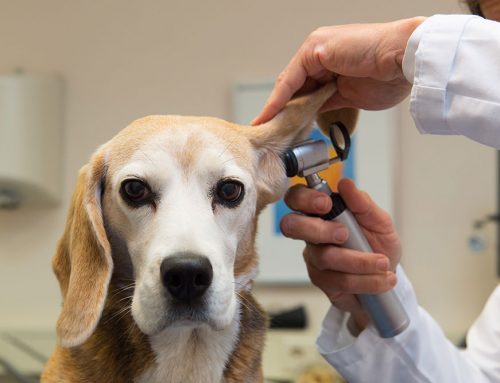
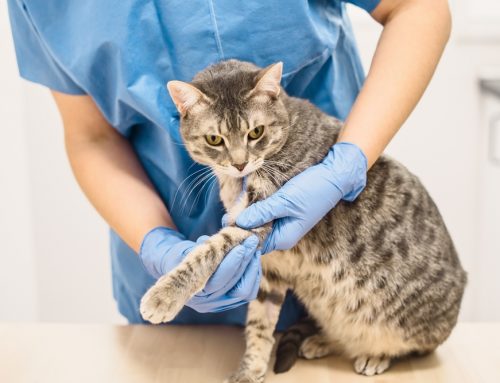
The exam isn't a formality attached to the shot; it's the part that decides what goes in the syringe. Regular veterinary visits are where a hands-on exam, a weight trend, and a few questions about the past year of a pet's life tell us which vaccines still earn their place.
The exam also confirms your dog or cat is well enough for a vaccine that day. A fever, a flaring chronic condition, or a pet who is clearly not themselves can be reason to hold off.
And a lot turns up in those few minutes: a new heart murmur, a lump that wasn't there last spring, painful gums, weight that moved further than it should have. That’s the whole point of a wellness visit; to prevent what we can, and catch early what we can’t.
Are Boosters Safe, and Is There Such a Thing as Too Many?
Vaccines are among the most heavily tested products in veterinary medicine, and serious reactions stay rare. As for too many, booster intervals are set by how long each vaccine has been shown to protect, which keeps pets from getting doses they don't need. Most pets show nothing at all after a booster.
What Should I Watch For After a Booster?
A quiet evening, mild soreness, a small firm bump where the injection went in, and a smaller appetite for a day are all expected and resolve on their own. What deserves a phone call looks different: facial or muzzle swelling, hives, vomiting, weakness, or any change in breathing, usually within minutes to a few hours of the visit.
If your pet has reacted to a vaccine before, tell us ahead of the appointment rather than at check-in, since knowing that lets us adjust how the visit is planned and keep your pet here for a stretch of watching afterward.
Never give a human antihistamine or pain reliever on your own. Many combination products contain decongestants or other ingredients that are toxic to dogs and cats, and the dosing is nothing like a scaled-down human dose. Call us instead. We handle urgent care during our open hours, and after hours, hospitals in our area share emergency coverage on a rotating basis, so the after-hours message will direct you to whoever is covering that night.
Is My Pet Getting More Vaccines Than They Need?
Current protocols already take that worry seriously. Three-year intervals replaced yearly boosting for the core viral vaccines a long time ago, and lifestyle vaccines only go on the plan when the exposure is real. There's no benefit to vaccinating against something your pet will never meet.
Antibody titer testing adds another option. A titer measures whether protection is still detectable in the blood, and for certain pets and certain vaccines it can support stretching an interval. It doesn't replace rabies, and titers don't exist for every vaccine, so how much they help depends on the question you're asking. Our vaccine protocols are reviewed against our AAHA accreditation standards and current guidance, which is part of why the recommendation for your dog may not match your neighbor's.
What Arcata Families Ask Us About Boosters
What happens if we've fallen behind?
A missed booster is fixable, and the response depends on the vaccine and the size of the gap. A few weeks late is usually a non-event: we give the dose and the clock resets. A longer lapse, particularly with a vaccine that needed two doses to get started, sometimes means repeating that starter pair to rebuild protection properly. Rabies carries its own definition of current. Bring us whatever dates you have, even a partial record from another hospital, and we'll figure out where your pet stands.
How soon is my pet protected after a shot?
Protection builds over a couple of weeks, not a couple of hours, with the intranasal and oral Bordetella vaccines as the fast exception. The immune system needs that time to generate a meaningful response, and puppies and kittens aren't considered covered until the final dose of the series is behind them. That's why boarding facilities and trainers want vaccines done well ahead of a stay instead of the morning of, and why we suggest keeping a young puppy off dog-park grass and pet-store floors until the series is complete.
Can my pet be vaccinated while they're sick?
Vaccinating an ill pet is usually something we'd rather postpone. A dog or cat running a fever may not build a good response, and adding a vaccine on top of an active infection makes it much harder to sort out what's what if they feel worse that night. Small stuff, like a healing scrape or a well-controlled chronic condition, isn't a reason to wait. The exam settles the question, and if we do push the vaccine back, we'll set the new date with you.
Keeping Your Pet's Protection Current
Boosters are one of the few things in veterinary medicine where a small, predictable effort heads off something catastrophic. Most of these diseases are ones we rarely have to treat anymore, and that is entirely the point. If your pet's life has changed since the last visit, or you simply aren't sure what's due, book a wellness visit at Arcata Animal Hospital and we'll go through the record together and build the plan around your dog or cat rather than a default list.