Itchy skin has more than one cause, and food is often not the only one. A true food allergy is an immune reaction to a specific protein, usually a common one like beef, chicken, dairy, or fish, and it accounts for far fewer itchy dogs and cats than fleas and pollen do. For the pets who do have one, changing what goes in the bowl is the treatment, and the relief is real. For everyone else, the right food supports the skin barrier but will not stop the scratching on its own. That is why grabbing a new bag off the shelf so rarely settles anything, and why a structured elimination diet trial is what gives you an actual answer.
Arcata Animal Hospital sees plenty of pets whose itching, ear trouble, or loose stools have dragged on for months, and our first job is separating a food reaction from fleas, mites, hormonal condition, or a skin infection that needs treatment of its own. Our AAHA-accredited veterinary team leans on a full range of diagnostic testing, including skin cytology and blood testing, so itching gets worked up rather than guessed at. We can also review everything your pet eats, chews and flavored medications included, and set up an elimination trial strict enough to give you a real answer. If the scratching is never-ending, ask us before you switch foods.
Food Trials at a Glance
- A true food allergy is an immune reaction to a protein, and it causes far less itching across the dog and cat population than fleas and environmental allergens do.
- The only dependable way to diagnose one is an eight to twelve week elimination trial on a single hydrolyzed or novel protein diet, with nothing else going in the mouth.
- Grain-free doesn't mean allergy-free, because beef, dairy, and chicken set off more reactions in dogs and cats than grain ever has.
- Flea control, medicated bathing, and treatment of any active skin or ear infection have to run alongside the food change, or the results won't be readable.
What Does a Food Allergy Look Like in Dogs and Cats?
The link between nutrition and itchy skin catches most pet families off guard, because a reaction to a protein in the bowl usually surfaces as relentless scratching, repeat ear infections, and paw licking long before it ever shows up in the litter box or the backyard. Skin first, digestion second, is the usual order.
The two species also wear it differently, which is part of why food reactions get missed in cats for so long.
| Where it shows up | In dogs | In cats |
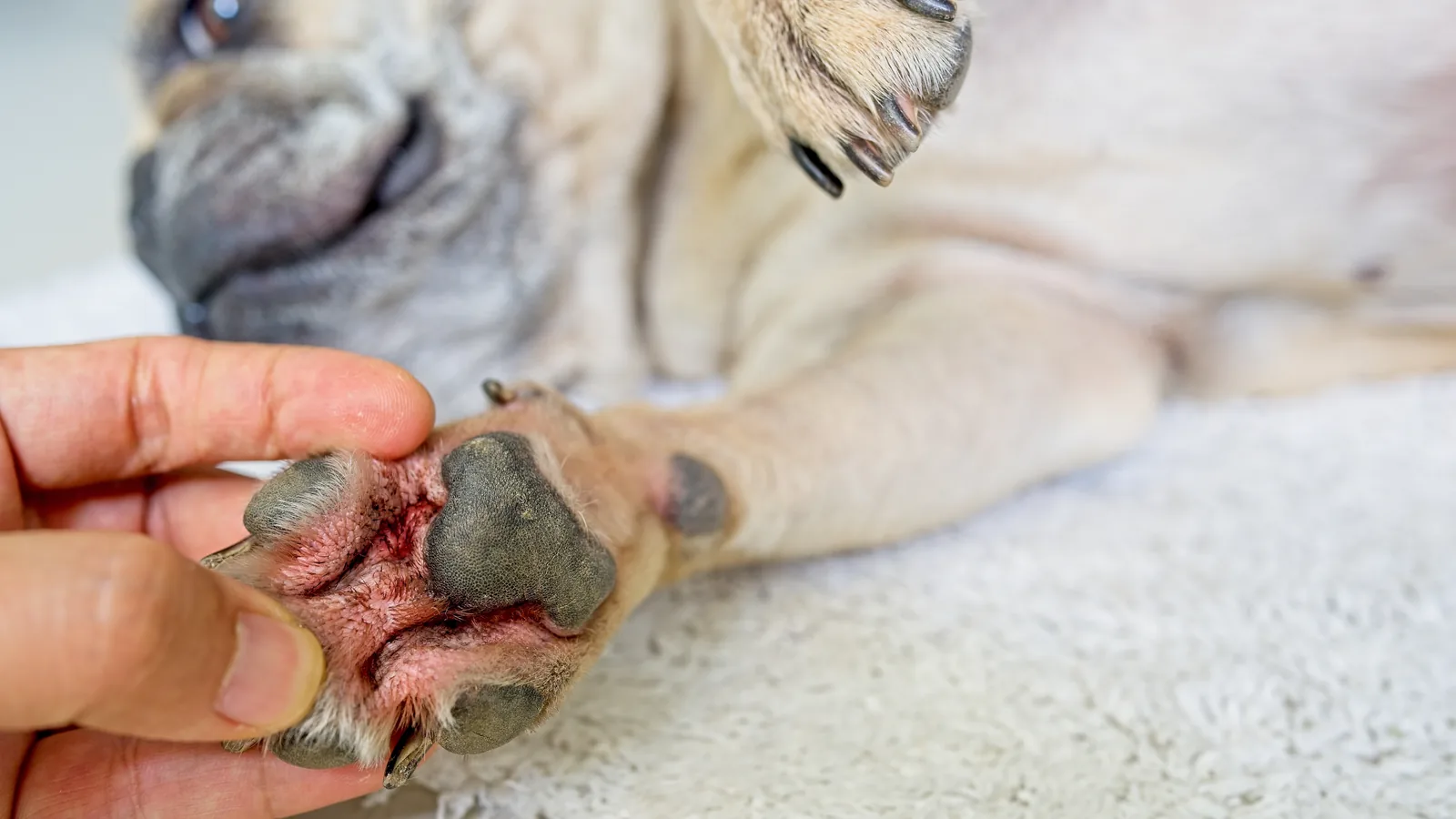
| Skin | Chewed feet, itchy face and armpits, a pink belly, hair worn thin at the groin and tail base | Overgrooming into bald stripes on the belly and inner legs, scratching with scabby bumps around the head and neck |
| Ears | Repeat infections, head shaking, brown discharge, often the first sign anyone notices | Waxy, itchy canals, sometimes only on one side |
| Digestion | Soft stool, gas, an extra bowel movement or two a day | Intermittent vomiting, mushy stool, weight that won't stay on |
| Pattern | Year-round with no seasonal break | Year-round, often starting young and blamed on stress |
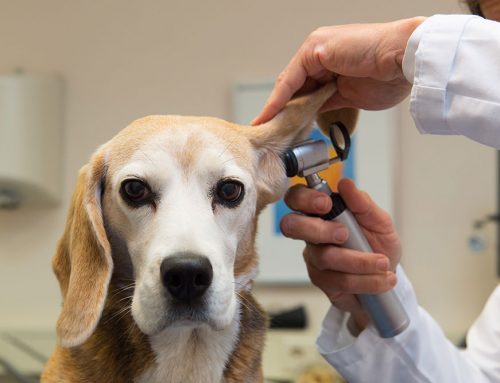
Here's the catch. None of that is specific to food. Fleas, Sarcoptes and Demodex mites, a Malassezia yeast overgrowth, or a low thyroid can all produce a dog who chews their feet raw or a cat with a bare stripe down their back. So the first visit is a workup, not a diet recommendation: a skin scraping for mites, cytology to identify bacteria and yeast, a look down both ear canals with an otoscope, and in-house lab work when something internal needs ruling out.
How Do You Manage a Food Allergy Through Diet?
Dietary management has two moving parts: a strict elimination trial that identifies the trigger, and a careful transition onto the new food that keeps the gut settled along the way. Both take planning, and both come undone when a single flavored treat sneaks in on a Tuesday afternoon.
We'd rather set this up with you than have you guess at it. Health consultations at Arcata Animal Hospital start with a full inventory of everything your pet eats, such as kibble, canned food, chews, dental treats, table food, and flavored medications. Then the trial gets a start date and an end date, so it has real edges instead of drifting.
What Is an Elimination Diet Trial, and Why Does It Take So Long?
Food allergy diet trials run eight to twelve weeks on a single hydrolyzed or novel protein diet, and that timeline isn't padding, since inflamed skin needs most of those weeks to quiet down even after the trigger ingredient is gone. Nothing else goes in the mouth for the duration.
Three approaches can carry a trial, and the right one depends on what your pet has eaten before.
| Diet type | How it works | Who it suits |
| Hydrolyzed protein | The protein is broken into fragments too small for the immune system to recognize | Pets who have already worked through a long list of proteins |
| Novel protein, veterinary | One protein your pet has never eaten, produced on equipment controlled against cross-contamination | Pets whose diet history you can reconstruct with confidence |
| Home-prepared, formulated by a veterinary nutritionist | Every ingredient is chosen and the recipe is balanced for your pet | Picky eaters and pets who refuse the prescription options |
An elimination diet trial proves its point at the end rather than the middle, when the original food goes back in on purpose and symptoms returning within days or a couple of weeks confirms the diagnosis. Skipping that last step is tempting once your dog has finally stopped scratching. It also leaves you guessing forever about whether the bowl or the season did the work.
Cats need an extra rule: indoors for the whole trial. The nice neighbor who's been setting out a bowl on the porch can ruin the whole trial.
How Do You Switch Foods Without Undoing Your Progress?
Choosing pet food is only half the decision, and the switch itself goes best over seven to ten days, starting at roughly one quarter new food and shifting the ratio every few days until the old bag is out of the house. A slower ramp keeps loose stool from muddying your read.
Write things down as you go. A short weekly note on your phone covers it: how often the scratching happens, what the stool looks like, whether the ears smell, how the coat feels under your hand.
Most trials that fail didn't fail because the diet was wrong. They failed because of something small.
- Treats and chews: Dental chews, rawhides, jerky strips, and training rewards nearly all carry beef or chicken protein. Our professional dental cleanings can hold the line on tartar while the chew jar is parked for a few months.
- Flavored medications: Monthly parasite preventives, chewable supplements, and compounded liquids are usually flavored with pork, beef, or chicken. Ask us for unflavored or topical versions before the trial starts.
- Other people in the house: A toddler dropping crackers, a houseguest sharing cheese, or a cat cleaning out the dog's bowl at midnight all count.
- Food from outside: Dogs who scavenge on walks and cats who hunt are eating protein you never approved.
Is Grain-Free Food the Answer for an Allergic Pet?
Beef, dairy, and chicken trigger far more reactions in dogs and cats than grain ever has, which is exactly where most pet food myths come apart. Grain-free and allergy-free are not the same claim. Most grain-free bags still lead with chicken or beef.
A few other beliefs are worth setting straight while you're standing in the aisle. A food intolerance is a digestive problem, the kind of thing a rich meal or too much fat causes, and it can make a pet gassy or loose without any immune system involvement at all. A true allergy recruits the immune system, which is why it shows on the skin and why it takes weeks to calm down.
"Hypoallergenic" and "limited ingredient" on a retail label aren't regulated terms. Testing of over-the-counter diets has repeatedly turned up proteins that never appeared on the ingredient panel, usually from shared production lines, and a trace amount is plenty to keep an allergic pet itchy. Veterinary diets are made under contamination controls specifically so a trial means something.
Blood and saliva tests marketed for food allergy don't hold up either. They routinely flag foods a pet has never eaten. If a bag or test looks promising, ask us first, before you spend the money on a marketing claim that doesn’t hold up.
What Else Helps an Itchy Pet While the Diet Trial Runs?
Food is one lever among several. Parasite control, medicated bathing, and treatment of any active skin or ear infection all belong in the same plan, because a pet fighting three sources of itch at once won't give you a clean answer no matter how strict the bowl is.
- Topical care: Medicated shampoos, sprays, and mousses rinse allergens out of the coat and knock back the surface bacteria and yeast that take hold on inflamed skin, and that's why topical therapy for allergic dermatitis often lowers how much oral medication a pet ends up needing. Cats generally tolerate wipes and mousses better than a full bath.
- Parasite prevention: One flea bite can keep a sensitized dog or cat itching for weeks, so year-round parasite prevention is not a side note during a food trial, it is what keeps the results readable. Every animal in the household needs it, indoor cats included.
- Coat care: Regular grooming does more for an allergic pet than keeping the coat tidy, since brushing spreads natural oils, lifts pollen and dander out of the fur, and gives you a weekly look at the skin underneath where hot spots start.
Prevention gets reviewed at wellness exams anyway, and it's worth confirming the product matches your pet’s lifestyle and allergies.
One thing to skip: the human allergy medications in your cabinet. Never give a combination product containing a decongestant such as pseudoephenadrine, which is dangerous for dogs and cats, and never give human pain relievers for inflamed skin. Call us before you give anything.
What If the Diet Trial Doesn't Fix the Itching?
Atopic dermatitis produces the same itchy face, feet, and ears as a food reaction, usually starting between one and three years of age and flaring with the seasons before it settles into a year-round problem. It's also much more common, so a clean trial that changes nothing is useful information rather than wasted time.
That workup follows the same AAHA-accredited standards of care we hold to for any chronic case: a real history, repeat cytology on skin and ears to catch the secondary infections that drive a lot of the misery, and blood work when hormonal disease is in the picture. Serum allergy testing helps build a treatment plan once environmental allergy is the working diagnosis, and we refer intradermal skin testing to a veterinary dermatologist and coordinate that visit for you.
From there the options open up. Allergen-specific immunotherapy retrains the immune response over time and is the closest thing to a long-term fix. Daily oral anti-itch medications, injectable antibody therapy, cyclosporine, and short steroid courses each have a place depending on your pet's age, other conditions, and how severe the flares get. In cats, one more possibility deserves a mention: overgrooming isn't always allergic, and pain or stress can drive the same bald patches, so the plan sometimes goes a different direction entirely.
Can the Right Diet Prevent Future Flare-Ups?
Nutrition won't make an existing allergy disappear, but a well-built diet keeps the skin barrier strong enough that small exposures don't spiral into weeks of scratching. Omega-3 fatty acids, adequate high-quality protein, and a settled digestive tract all shape how loudly a pet reacts to whatever comes next.
The fatty acids doing the work are EPA and DHA, and they take roughly two months of consistent dosing before the coat and skin show a difference. Probiotics can help pets whose skin trouble travels with digestive trouble. Save both for after the trial ends, though, since a flavored fish oil chew is exactly the kind of small thing that ruins ten weeks of discipline.
Sensitivities also change. A pet who ate salmon happily for six years can start reacting to it in year seven. Our wellness plans for puppies, kittens, and adult pets build a diet review into each year, so the food gets a fresh look before the scratching comes back.
What Pet Families Ask Us About Food Trials
Can a food cause a sudden, severe reaction?
Most food allergies build slowly over months, but a rapid reaction is possible: facial swelling, hives, vomiting within minutes of a meal, or labored breathing. That's an emergency, not a diet question. We handle urgent care during our open hours, so call and come straight in. After we close, the hospitals in our area share emergency coverage on a rotating basis, and our after-hours message will direct you to the right facility that night.
How soon should I expect to see the itching improve?
Digestive signs often settle first, sometimes within two to three weeks. Skin takes longer. Many pets show a subtle change around week four, and the clearest improvement lands somewhere between weeks eight and twelve, which is why the trial runs that long. If the ears or skin are infected at the start, treating that infection alongside the diet usually brings faster relief and makes the food's contribution much easier to judge.
My dog has eaten the same food for years. Could they still be allergic to it?
Yes, and this trips up nearly everyone. Allergies develop through exposure, so the immune system has to meet a protein repeatedly before it starts overreacting. Most food-allergic dogs and cats react to something they've eaten for months or years without trouble. A brand-new bag isn't required for the itching to start, and a food your pet has tolerated since puppyhood is still fair game for a trial.
Building a Mealtime Routine That Works for an Itchy Pet
Weeks of holding the line at the treat jar is hard, and the dogs and cats who need it most tend to have the best begging faces. It's worth it. When the scratching finally stops and the ears stay quiet, you'll have something no bag on the shelf can give you: a real answer about what your pet can eat for the rest of their life.
Arcata Animal Hospital has sat with a lot of families through the frustrations of a pet who never stops scratching, and we'd much rather hear from early than have to treat their skin infection. If the itching has gone on long enough, book a visit here in Arcata and let's build the plan together.